


07 Feb How to Choose the Right Dust Monitoring Equipment for Your Site
When planning effective environmental monitoring on a project site, choosing the right dust monitoring equipment can make all the difference for compliance, safety, and accurate reporting. Whether you’re managing an industrial mine site, a construction zone, or a residential area, understanding which dust monitoring unit best fits your needs is key to meeting regulatory thresholds and environmental standards.
At DustWatch, a range of fallout dust monitoring units are available — from simple single-bucket samplers to multi-direction devices designed for detailed environmental assessment. Below, we break down these unit types and offer practical guidance on selecting the right equipment for your site.
Understanding DustWatch Unit Types
DustWatch supplies several dust bucket monitoring units tailored to different applications. These units are used to collect fallout dust for later gravimetric analysis (measured in mg/m²/day), helping you comply with South African air quality standards.
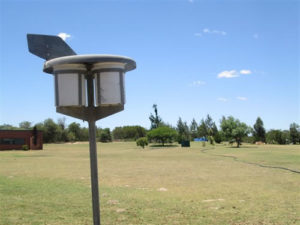
Unit Type A – Four Bucket Unit
A four-bucket directional sampler that can capture dust from multiple wind directions.
Useful for isolating dust contribution from specific sources.
Often used where directional data is critical.

Unit Type B – Single Bucket Unit
Simple, single sampler for general dust deposition measurement.
Ideal for general site surveys or background dust measurements.
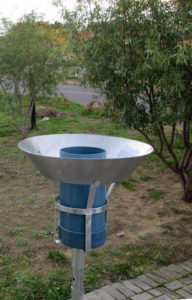
Unit Type C – Single Bucket with Cone Windshield
Adds a cone windshield to minimise wind turbulence and improve dust capture accuracy.
Great for sites with moderate wind variability.
Other Units (D, E, F, R, S, USA)
Additional variations include specialised designs and regional variants tailored to specific monitoring needs.
Key Factors to Consider When Choosing Dust Monitoring Equipment
Selecting the right dust monitoring system involves more than picking a unit off the shelf — there are several site-specific and technical variables to weigh.
1. Site Type: Industrial vs. Residential
Different environments have different dust expectations and standards:
Industrial sites (e.g., mining, quarries, heavy construction) often produce higher dust loads and benefit from directional dust monitoring to pinpoint source activities.
Residential or light commercial areas require more sensitive monitoring with lower thresholds (e.g., around 600 mg/m²/day) to protect public health.
Understanding your site’s context helps you decide whether a basic single bucket will suffice or if more advanced multi-direction analysis is needed.
2. Directional vs. Single Bucket Monitoring
One of the biggest decisions is whether you need a unit that simply measures dust, or one that provides directional data.
Directional units (e.g., four bucket) can segregate dust fallout by wind direction, helping identify whether specific sources or activities are responsible for dust exceedances.
Single bucket units capture overall dust deposition from all directions but don’t distinguish source direction.
See the comparison table below for a quick overview.
3. Wind Conditions and Shielding
Wind speed and direction strongly influence dust deposition sampling. A unit with a windshield or directional setup can significantly improve data accuracy by reducing the risk of wind blowing dust out of the sampler.
4. Regulatory Thresholds
In South Africa, dust monitoring programs often align with ASTM D1739 standards, which set actionable limits such as:
600 mg/m²/day for residential/light commercial zones.
1200 mg/m²/day for industrial areas.
Ensure your chosen equipment and sampling method align with these and any client-specific or project-specific regulatory requirements.
Comparison Table: Single vs. Directional Dust Monitoring
| Feature | Single Bucket Monitoring | Directional Dust Monitoring (Four Bucket) |
| Source Attribution | ❌ Cannot isolate individual sources | ✅ Can identify source direction and impact |
| Complexity | ✔️ Simple to install and analyse | ⚠️ More units / setup required |
| Data Resolution | 📉 General deposition | 📊 Detailed directional insights |
| Regulatory Compliance | ✔️ Suitable for general compliance checks | ⭐ Preferred where source attribution is required |
| Cost | 💰 Lower upfront cost | 💸 Higher upfront cost |
Conclusion
Choosing the right dust monitoring equipment depends on your specific site needs, regulatory expectations, and the level of detail required. For simple overview monitoring, a single bucket unit may suffice. But when compliance pressure, wind influences, or source identification matters, selecting a directional dust monitoring solution like a four-bucket system is often the smarter choice.
By understanding which dust monitoring unit fits your context and aligning it with industry standards, you can ensure accurate data collection, compliance with local standards, and valuable insights into environmental performance.

DustWatch – Fallout Dust Monitoring Equipment. Dust Monitoring Equipment – Supply and Services of Dust Monitoring Equipment. Dust Buckets. Dust monitoring training courses. Dust Watch. Noise and Light Assessments.
Dust monitoring equipment and Dust Monitoring Devices – Fallout dust collection or collection of precipitant dust can be achieved using the DustWatch Unit Device and the ASTM D1739 Method. Dust Precipitation and Dust Fall measuring equipment. Outfall dust standards and Dust equipment. Volcanic Ash Monitoring. American Standard Test Method D1739. Dust Sampling Equipment. Dust sampling pictures. Training Procedures. Buchner Funnel Equipment – dustfall monitoring, dust equipment, rspm vs pm10 vs pm2.5. Fallout dust monitoring equipment
Sorry, the comment form is closed at this time.